
Endocrine Disruptors: The Hidden Chemicals That May Be Affecting Your Hormones
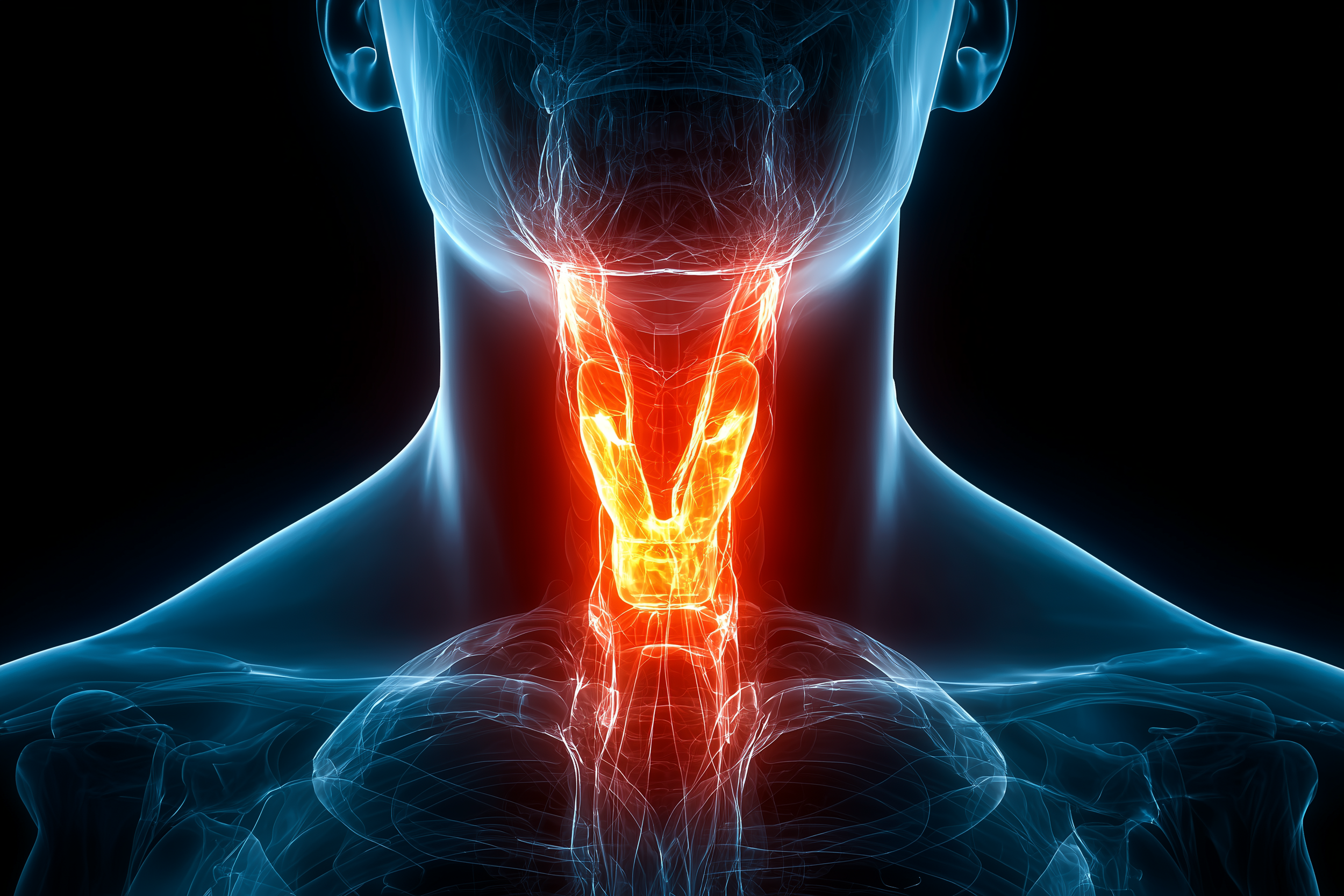
Your hormones are constantly communicating. They help regulate your metabolism, energy, mood, fertility, thyroid function, blood sugar, growth, sleep, and so much more.
But there is another side to this conversation that we don't always think about: the environment around us can influence the systems that regulate our hormones.
Every day, we come into contact with chemicals through the food we eat, the products we put on our skin, the containers we store our food in, the air we breathe, and the products we use around our homes. Some of these chemicals can interfere with the endocrine system.
They're called Endocrine-Disrupting Chemicals (EDCs).
And while this may sound alarming, the answer isn't to live in fear of every chemical around you.
It's about becoming more aware of where exposure happens and making simple changes where you can.
What exactly are endocrine disruptors?
The endocrine system is essentially your body's hormone communication network. It includes organs and tissues such as the thyroid, adrenal glands, ovaries, testes, pancreas, and others that produce, release, and respond to hormones.
Endocrine-disrupting chemicals are substances that can interfere with the normal functioning of this system.
Depending on the chemical, the amount and duration of exposure, and the timing of exposure, they may:
Mimic hormones naturally produced by the body
Block hormone activity
Alter hormone production or metabolism
Interfere with hormone transport
Change the way cells respond to hormones
Some of these chemicals are found in products we use every day. And that's what makes this topic worth paying attention to.
Not because we can eliminate every exposure, we can't, but because we can often reduce some unnecessary exposures with surprisingly simple changes.
Why do hormones matter so much?
Hormones don't work in isolation. They're part of a complex network that communicates throughout your body.
Your thyroid hormones influence metabolism and energy.
Insulin helps regulate blood sugar.
Estrogen and testosterone influence reproductive health, bone health, and many other functions.
Cortisol is involved in the body's response to stress.
And these systems constantly interact with one another.
This is why hormone health isn't simply about fertility or menstrual cycles. It can influence metabolism, mood, energy, reproduction, development, thyroid function, and overall wellbeing.
Research has linked exposure to certain Endocrine-Disrupting Chemicals with potential effects on reproductive, metabolic, thyroid, neurological, and developmental health. Some chemicals have also been studied in relation to certain hormone-sensitive cancers.
But there's an important distinction:
Exposure does not automatically equal disease.
The potential effect depends on many factors, including the specific chemical, dose, duration and route of exposure, as well as individual susceptibility.
So rather than thinking: "Everything is toxic."
A more useful question is: "Where can I reasonably reduce unnecessary exposure?"
Where do Endocrine Disruptors hide?
This is where things get interesting. You might expect environmental chemicals to be found in industrial settings. But some can also be found in ordinary household products.
1. Your Plastic Containers
Certain chemicals used in plastics, including phthalates and bisphenols, can migrate into food and beverages.
Heat can increase the migration of some chemicals.
So one of the easiest changes you can make?
Avoid heating food in plastic whenever possible.
Instead, transfer your food to glass or ceramic before reheating.
You don't need to throw away every plastic container you own.
Just start with the things you use most often.
2. Your Beauty & Personal Care Products
Skincare, makeup, hair products, perfumes, and other personal care products can contain ingredients that have been investigated for endocrine activity.
These may include certain parabens, phthalates, and fragrance chemicals, depending on the product.
And because many of these products are used every day - sometimes multiple times a day - they can be a practical place to start if you're trying to reduce your overall exposure.
You don't need to replace your entire bathroom cabinet overnight.
As products run out, look for simpler formulations and consider choosing fragrance-free options when practical.
Small changes are easier to maintain than an overnight lifestyle overhaul.
3. Fragrance
Fragrance is everywhere.
Perfume
Laundry products
Body lotions
Candles
Air fresheners
Cleaning products
Even products marketed as "fresh" or "clean"
The word "fragrance" or "perfume" on a label can represent a mixture of different ingredients, and the individual components aren't always obvious from the label.
If reducing your chemical exposure is a goal, reducing unnecessary fragrance is a simple place to start.
This doesn't mean you can never enjoy a candle or your favorite perfume again.
It's about considering how much fragrance you're surrounded by every day.
4. Pesticides
Pesticides are designed to affect biological systems, and some pesticides have endocrine-disrupting properties.
Food can be one source of exposure, alongside occupational and environmental exposure.
Washing your fruits and vegetables thoroughly is a simple habit. And if organic produce is accessible to you, you can choose it when it makes sense for your budget and priorities.
But don't let the fear of pesticides stop you from eating plants. A diet rich in fruits and vegetables is still one of the most important things you can do for your health.
5. Your Cleaning Products
Your home doesn't need to smell like a chemical factory to be clean.
Many household cleaning products contain fragrances, solvents, preservatives, and other chemicals.
You don't necessarily need a different product for every surface in your home.
When possible, choose simpler clean formulations and reduce unnecessary fragranced products.
Think less exposure, not zero exposure.
6. Cookware
Certain nonstick coatings have been associated with PFAS, a large family of highly persistent chemicals.
PFAS are widespread environmental contaminants, and some have been associated with endocrine and other health effects.
If you're replacing cookware, materials such as stainless steel, cast iron, glass, and appropriately formulated ceramic cookware can be alternatives to consider.
Again, this doesn't mean you need to empty your kitchen tomorrow.
Replace things gradually as they wear out.
7. Takeout Containers & Food Packaging
Food packaging can be another source of exposure to chemicals that may migrate into food.
And, once again, heat matters. Instead of reheating food directly in a disposable plastic takeout container, transfer it to a glass or ceramic dish.
It's a tiny change. But it's also an easy one.
8. The Receipts You Handle
This one often surprises people.
Some thermal paper receipts can contain chemicals such as bisphenols.
If you don't need the receipt, simply skipping it can reduce unnecessary contact.
If you handle receipts regularly, washing your hands before eating is another simple precaution.
It's not about becoming afraid of touching a receipt.
It's about recognizing that exposure can come from many small, everyday sources.
How can you actually reduce your exposure?
Here's where we want to take a step back. Because once you start reading about endocrine disruptors, it can feel like they're everywhere.
And technically, many environmental chemicals are difficult to avoid completely.
You might start wondering:
Should I replace all my cookware?
Do I need organic everything?
Should I throw away my makeup?
Are my candles toxic?
What about my water bottle?
What about my cleaning products?
And suddenly, improving your health has become another source of stress. That's not the goal.You don't need a perfectly toxin-free life.
Instead, focus on the exposures you have the most control over. Start with what you use every day.
Your water bottle
Your food containers
Your skincare
Your shampoo
Your cleaning products
Your cookware
Your laundry products
These everyday items are often a more practical place to begin than obsessing over occasional exposures.
The Gut Serenity approach: Reduce, don't obsess
At Gut Serenity, we believe that health is built through awareness and consistent habits - not fear.
The goal isn't to create a perfectly controlled environment. That's impossible.
The goal is to make better choices where they are realistic and meaningful.
If you want to start reducing your exposure to Endocrine-Disrupting Chemicals, begin with just a few habits:
Choose glass or stainless steel for food and drinks when practical.
Avoid heating food in plastic.
Reduce unnecessary fragranced products.
Choose simpler personal-care and household products when possible.
Eat plenty of fresh, minimally processed foods.
Wash fruits and vegetables thoroughly.
Consider cookware materials such as stainless steel, cast iron, glass, or ceramic when replacing old pieces.
Skip unnecessary thermal-paper receipts when you can.
You don't have to do all of this at once. Pick one.
Make it a habit.
Then move on to the next.
Because small changes become powerful when they become part of your everyday life.
And remember, your hormones are NOT working alone
It's easy to focus on one environmental factor and forget the bigger picture.
Hormonal health is influenced by a combination of factors:
Nutrition.
Sleep.
Movement.
Stress.
Environmental exposures.
Medications.
Genetics.
Lifestyle.
There is rarely one single explanation for how you feel. And there is rarely one single solution.
Your body is connected.
Your hormones are connected.
Your gut is connected.
And your environment is part of that picture too.
Start Small. Build Habits.
You don't need to change your entire life today.
Maybe today you stop reheating your lunch in a plastic container.
Maybe next month you replace your everyday water bottle.
Maybe when your skincare runs out, you choose a simpler, fragrance-free alternative.
Maybe you start paying a little more attention to what you bring into your home.
These choices may seem small. But health isn't built through one perfect decision.
It's built through the choices you make again and again.
Become curious about your environment.
Make changes where they make sense.
And don't let the pursuit of "clean" become another source of stress.
Reduce what you can. Don't obsess over what you can't.
Start small. Build habits.
And most importantly, keep listening to your body.